Beyond Locks: Understanding Modern Threats to Your Home Safety
Understanding Modern Threats to Your Home Safety
The concept of home safety has dramatically evolved beyond the simple physical barrier of a locked door. In today's interconnected world, safeguarding your personal sanctuary requires a far more nuanced and comprehensive approach. Modern threats extend well beyond traditional burglaries, encompassing digital vulnerabilities, sophisticated social engineering tactics, and the ever-present challenge of maintaining privacy in an increasingly transparent society. Understanding this shift is the first critical step towards truly securing your home and loved ones.
For decades, security was largely synonymous with robust locks, sturdy windows, and perhaps an alarm system. While these elements remain foundational, they now represent only a fraction of the necessary defenses. The proliferation of smart home devices, interconnected networks, and the vast amount of personal data stored online have opened new avenues for malicious actors. These new vectors demand a proactive and informed strategy, moving beyond reactive measures to anticipate and mitigate potential risks before they materialize.
The digital footprint of an average household is now extensive, making every connected device a potential entry point for unauthorized access. From smart thermostats and security cameras to voice assistants and even smart appliances, each piece of technology adds convenience but also introduces a layer of complexity to your overall security posture. Ignoring these digital dimensions leaves significant gaps in your home's protection, rendering traditional physical safeguards less effective against modern, multifaceted threats.
Moreover, the human element remains a crucial, often overlooked, aspect of home safety. Social engineering, phishing attempts, and identity theft are increasingly sophisticated, targeting individuals directly to gain access to their homes or sensitive information. Educating every member of the household about safe online practices and recognizing potential scams is as vital as installing the latest security hardware. A strong defense is built on both technological resilience and informed human vigilance.
At Saiaker, we recognize that true home safety is a dynamic challenge, constantly adapting to new technologies and evolving threats. Our approach emphasizes a holistic view, integrating physical security with robust cybersecurity measures and continuous awareness training. This integrated strategy ensures that every facet of your home environment is considered, from the front door to your Wi-Fi network, providing a resilient shield against the diverse dangers of the modern world.
The goal is not merely to deter but to create an environment where risks are minimized, and peace of mind is maximized. This involves understanding the intricate interplay between physical access points, digital vulnerabilities, and the behavioral patterns that can either strengthen or weaken your home's defenses. Moving beyond simple locks means embracing a future where security is intelligent, adaptive, and deeply personal, tailored to the unique needs of each household.
Key Areas of Modern Home Security
- Smart Home Security Systems: Integrated control, remote monitoring, and instant alerts. Pros: Convenience, rapid response. Cons: Cyber vulnerabilities, internet reliance.
- Cybersecurity for Home Networks: Protects personal data and IoT devices. Pros: Secures sensitive info, prevents device hijacking. Cons: Requires ongoing maintenance, complex for average users.
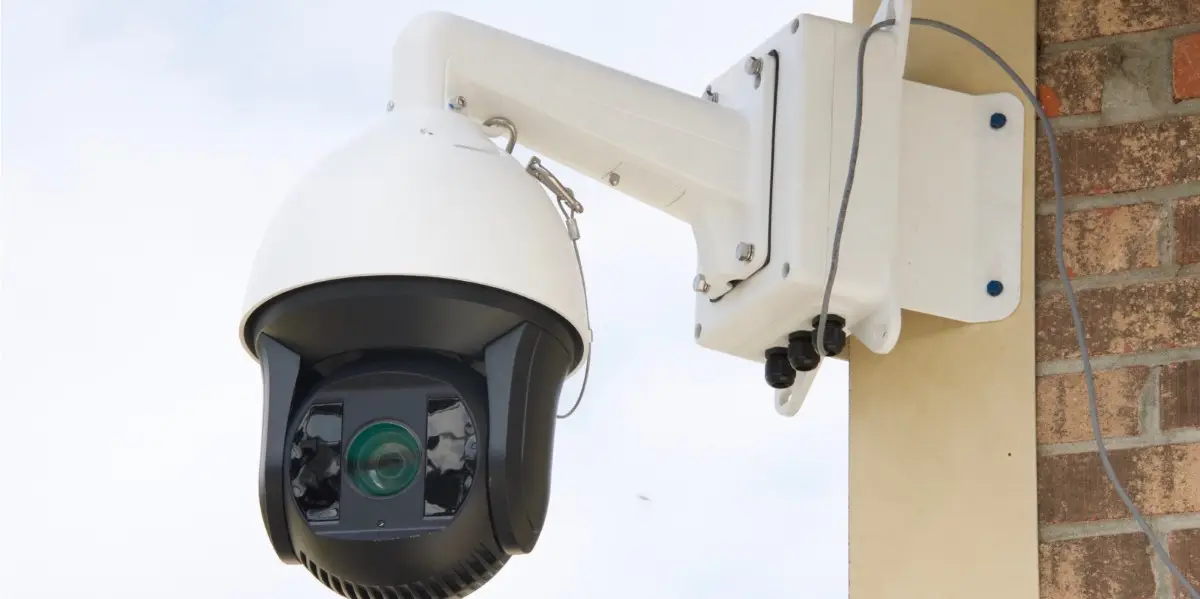
- Advanced Physical Security Enhancements: Reinforced doors, multi-point locks, integrated surveillance. Pros: Strong deterrent, robust physical barrier. Cons: Higher initial cost, professional installation needed.
Expert Perspectives on Comprehensive Home Protection
Leading security experts consistently emphasize the need for a unified security strategy that transcends the traditional divide between physical and digital protection. As Dr. Anya Sharma, a renowned cybersecurity analyst, notes, 'A smart lock is only as secure as the network it connects to. Neglecting one aspect leaves the other vulnerable.' This perspective highlights that sophisticated attackers often exploit the weakest link, whether it's an outdated router firmware or an easily guessed password, to bypass even the strongest physical defenses.
The rise of smart home technology also sparks significant debate regarding privacy versus security. While smart devices offer unparalleled convenience and monitoring capabilities, they also collect vast amounts of personal data. Critics argue that this data, if compromised, could be used for far more insidious purposes than a simple burglary. The challenge lies in finding a balance where innovative security features do not inadvertently create new privacy risks, requiring careful consideration of data encryption and storage practices.
Another critical point of contention among security professionals is the 'human factor.' Despite technological advancements, human error or lack of awareness remains a primary vulnerability. 'No firewall can protect against a user willingly giving away their credentials,' states Mark Johnson, a veteran physical security consultant. This underscores the importance of continuous education and user-friendly security interfaces that encourage strong security habits rather than creating frustration that leads to shortcuts. Saiaker believes in empowering users.
Emerging technologies like Artificial Intelligence (AI) and Machine Learning (ML) are rapidly transforming the landscape of home security. These technologies enable predictive analysis, anomaly detection, and more sophisticated threat identification, moving beyond simple rule-based alarms. However, their deployment raises questions about false positives, data bias, and the ethical implications of constant surveillance. Experts are still refining how best to harness AI's power without infringing on personal freedoms.
The industry is also grappling with the challenge of interoperability. Many smart home devices operate on different platforms, creating potential security gaps when systems are not seamlessly integrated. A fragmented security ecosystem can lead to blind spots and management complexities. Future developments aim for more unified standards, ensuring that all components of a home security system can communicate securely and effectively, reducing the attack surface for malicious actors.
Final Thoughts and Recommendations
Ultimately, securing your home in the modern era means embracing a holistic strategy. Every connected device, online interaction, and physical entry point contributes to your overall security posture. A strong defense relies on robust technology, informed human behavior, and a commitment to staying ahead of evolving threats.
Saiaker is dedicated to helping you navigate this complex landscape, providing integrated physical and digital security solutions. We encourage homeowners to regularly assess their needs, consult experts, and invest in comprehensive protection. This ensures true peace of mind for their most valuable asset – their home.

Kanthira Thanawit
This article really highlights how much home security has changed. I've been thinking about smart locks, but never really considered the network security aspect until now. Very insightful.
Kittiphong Chawalitchat
Thank you for your feedback! It's true that the digital dimension is often overlooked. We're glad the article provided valuable insights into securing your entire home ecosystem.
Nopphachai Chanwong
The point about the 'human factor' is so important. You can have the best tech, but if people aren't careful, it's all for nothing. Good reminder to educate my family.
Phitchayanan Wattanachot
Absolutely. Human awareness is indeed a cornerstone of effective security. Empowering every household member with knowledge significantly strengthens overall protection.
Kittiphopchai Tharachai
I appreciate the mention of interoperability issues. It's a real headache trying to get different smart devices to work together securely. Hope to see more unified standards soon.
Thanawatchai Chawalitchai
That's a very valid concern. The industry is actively working towards better integration and unified standards to enhance both functionality and security across platforms. Your feedback is noted.